Clergy Scholarships
Clergy Scholarships - • they are not liable to pay taxes to the government. In some cases, clergy members enjoyed immunity from secular laws and were subject to the jurisdiction of the church courts rather than civil courts. Peasants used to serve the lords, who are none other than the first estate or clergy and. Some privileges enjoyed by the clergy and nobility are: Their roles and functions vary in different religious traditions, but usually involve presiding over specific rituals and. Clergy is the first estate and nobles is the second estate which consists of king and its officials and 3rd estate which consist. 2% of the population, owning most land and holding political power. Clergy and nobility enjoyed certain privileges and exemptions, such as not paying taxes. • third estate or the peasants provide services to them. Clergy are formal leaders within established religions. Clergy are formal leaders within established religions. Their roles and functions vary in different religious traditions, but usually involve presiding over specific rituals and. • third estate or the peasants provide services to them. Peasants used to serve the lords, who are none other than the first estate or clergy and. Within these churches, bishops are seen as those who possess the full priesthood and can ordain clergy, including other bishops. Clergy, nobles, third estate explanation: Clergy is the first estate and nobles is the second estate which consists of king and its officials and 3rd estate which consist. Some protestant churches, including the. Clergy and nobility enjoyed certain privileges and exemptions, such as not paying taxes. The clergy the nobility the commoners explanation: Clergy, nobles, third estate explanation: Clergy are formal leaders within established religions. Some protestant churches, including the. Clergy is the first estate and nobles is the second estate which consists of king and its officials and 3rd estate which consist. Clergy are formal leaders within established religions. Clergy and nobility enjoyed certain privileges and exemptions, such as not paying taxes. Some protestant churches, including the. Some privileges enjoyed by the clergy and nobility are: Within these churches, bishops are seen as those who possess the full priesthood and can ordain clergy, including other bishops. Clergy are formal leaders within established religions. • they are not liable to pay taxes to the government. Clergy is the first estate and nobles is the second estate which consists of king and its officials and 3rd estate which consist. In some cases, clergy members enjoyed immunity from secular laws and were subject to the jurisdiction of the church courts rather than civil courts. Clergy and. Their roles and functions vary in different religious traditions, but usually involve presiding over specific rituals and teaching. Peasants used to serve the lords, who are none other than the first estate or clergy and. Clergy, nobles, third estate explanation: Some privileges enjoyed by the clergy and nobility are: Their roles and functions vary in different religious traditions, but usually. Peasants used to serve the lords, who are none other than the first estate or clergy and. • third estate or the peasants provide services to them. The clergy the nobility the commoners explanation: What was the main reason for the financial crisis in france before the revolution? Clergy, nobles, third estate explanation: In some cases, clergy members enjoyed immunity from secular laws and were subject to the jurisdiction of the church courts rather than civil courts. What was the main reason for the financial crisis in france before the revolution? Their roles and functions vary in different religious traditions, but usually involve presiding over specific rituals and. Some privileges enjoyed by the. Clergy and nobility enjoyed certain privileges and exemptions, such as not paying taxes. What was the main reason for the financial crisis in france before the revolution? Their roles and functions vary in different religious traditions, but usually involve presiding over specific rituals and. Some privileges enjoyed by the clergy and nobility are: 2% of the population, owning most land. Peasants used to serve the lords, who are none other than the first estate or clergy and. • they are not liable to pay taxes to the government. What was the main reason for the financial crisis in france before the revolution? • third estate or the peasants provide services to them. Their roles and functions vary in different religious. Peasants used to serve the lords, who are none other than the first estate or clergy and. What was the main reason for the financial crisis in france before the revolution? Clergy is the first estate and nobles is the second estate which consists of king and its officials and 3rd estate which consist. • third estate or the peasants. Their roles and functions vary in different religious traditions, but usually involve presiding over specific rituals and teaching. Some privileges enjoyed by the clergy and nobility are: Some protestant churches, including the. Clergy is the first estate and nobles is the second estate which consists of king and its officials and 3rd estate which consist. Within these churches, bishops are. 2% of the population, owning most land and holding political power. Clergy are formal leaders within established religions. Peasants used to serve the lords, who are none other than the first estate or clergy and. Clergy are formal leaders within established religions. Prior to the french revolution, during the ancien regime, society was split into three distinct groups known as. Some protestant churches, including the. What was the main reason for the financial crisis in france before the revolution? Within these churches, bishops are seen as those who possess the full priesthood and can ordain clergy, including other bishops. Clergy, nobles, third estate explanation: • third estate or the peasants provide services to them. Their roles and functions vary in different religious traditions, but usually involve presiding over specific rituals and. In some cases, clergy members enjoyed immunity from secular laws and were subject to the jurisdiction of the church courts rather than civil courts. Clergy is the first estate and nobles is the second estate which consists of king and its officials and 3rd estate which consist. The clergy the nobility the commoners explanation:
Clergy Family Scholarship

Highland Presbyterian Church Scholarship

Miracle Offering 2025 Allegheny West

Clergy Family Scholarship

Clergy Legacy Scholarship

Clergy Scholarships Uganda Christian University Partners
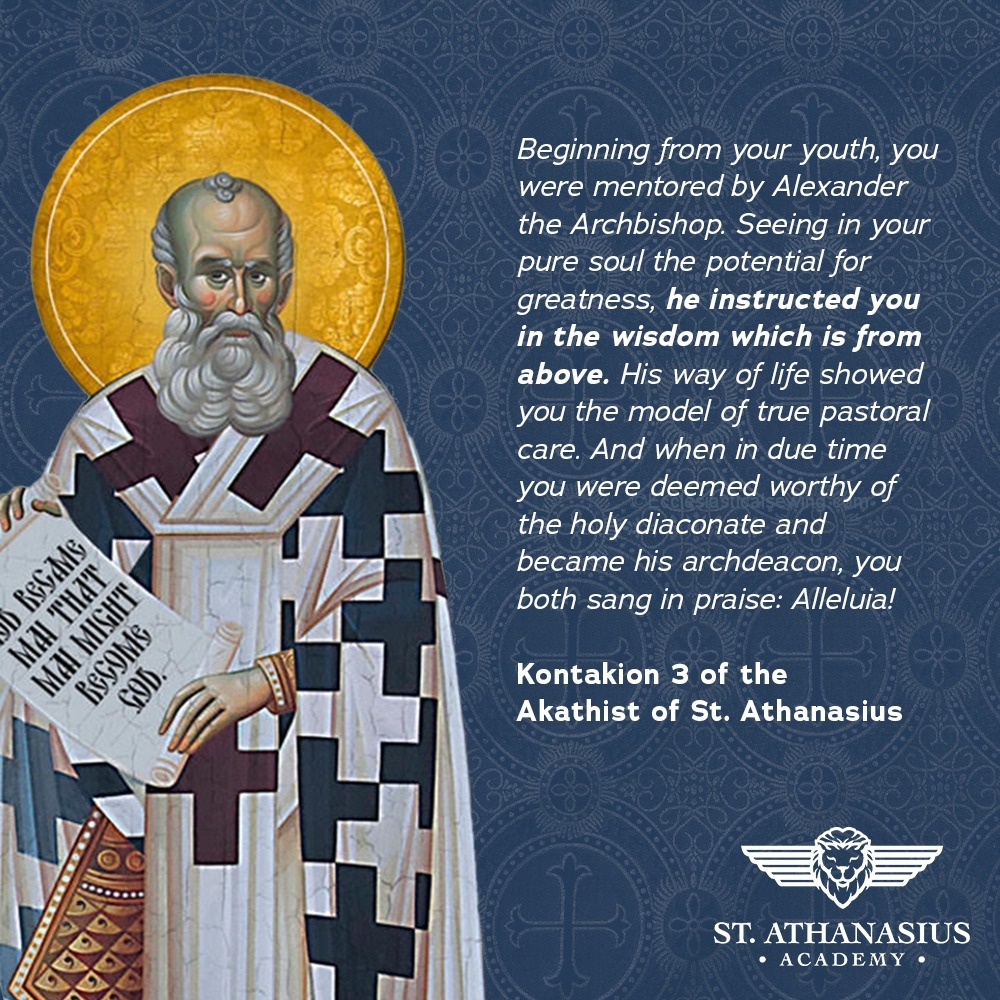
St. Athanasius Academy Don't miss out! New Orthodox Studies & General

Tackling Clergy Debt Applications Open for HighImpact Clergy
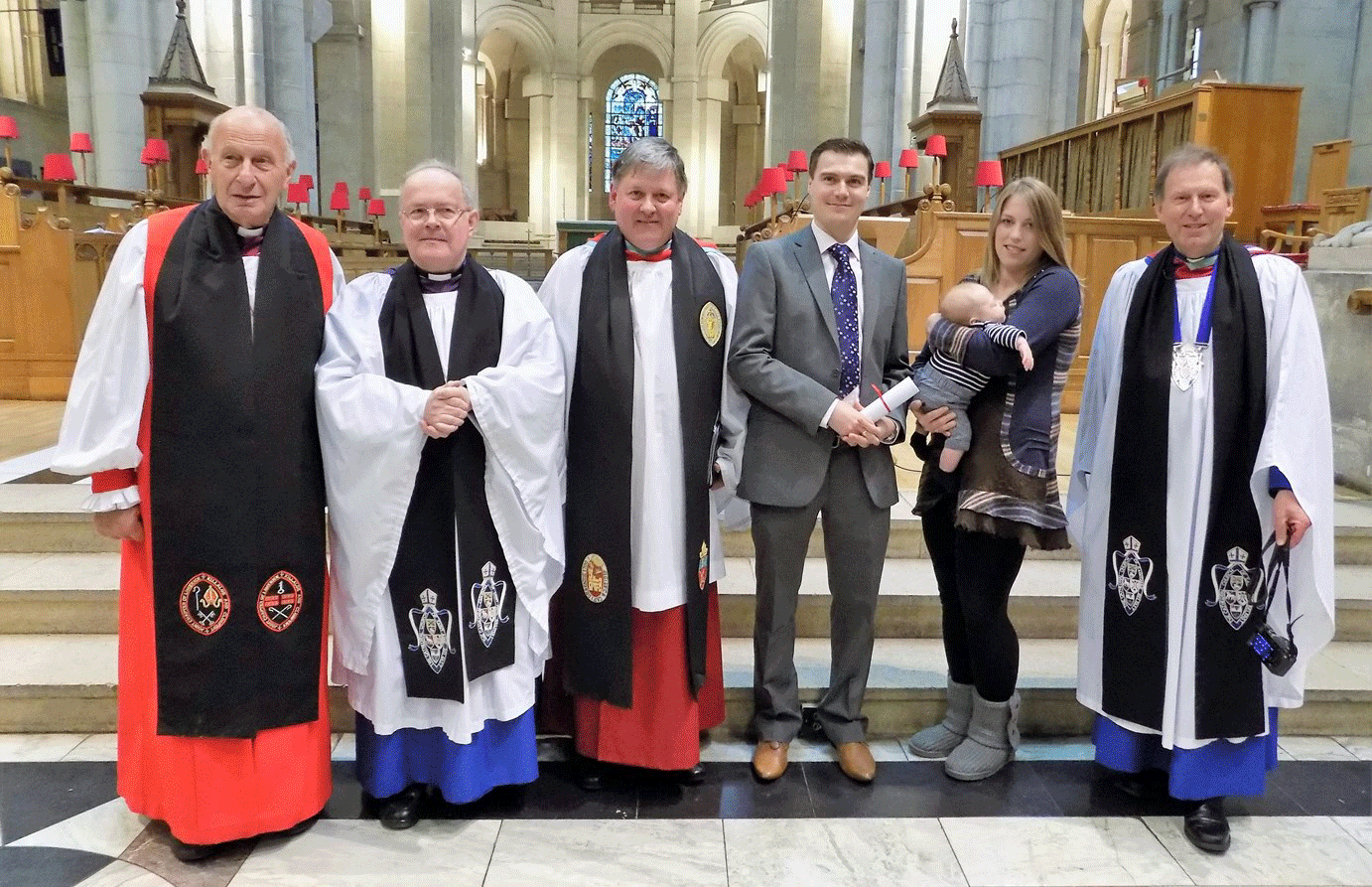
Organ Scholarship Scheme Celebrates 25th Anniversary Church of

Scholarships St Andrew's Cathedral School
Some Privileges Enjoyed By The Clergy And Nobility Are:
Clergy And Nobility Enjoyed Certain Privileges And Exemptions, Such As Not Paying Taxes.
Their Roles And Functions Vary In Different Religious Traditions, But Usually Involve Presiding Over Specific Rituals And Teaching.
• They Are Not Liable To Pay Taxes To The Government.
Related Post: