
Hpsp Health Professional Scholarship Program
Hpsp Health Professional Scholarship Program - Used correctly, commas should clarify the meaning of the texts. Comma punctuation is one of the hardest types of punctuation to master. A comma is a punctuation mark (,) used to indicate a pause within a sentence or to separate different elements. You do not have to use a comma after an adverbial clause or phrase, but a comma will make it clear where the main clause starts. Think of commas as traffic signals in writing—they tell readers when to. The comma (,) is a tricky little creature, often peppering texts when an inexperienced author panics about their punctuation. When an adverbial clause or phrase is very short (e.g.,. It helps clarify meaning by separating elements within a sentence, thereby. The comma is a punctuation mark used to indicate a separation of ideas or elements within a sentence. This guide will take you through what exactly a comma is (so you can understand when to use them correctly), when not to use a comma, and provide you with some common. Here are ten rules on when to use commas in sentences, lists, dates, and more. Without a serial comma, it looks like “jane austen and albert einstein” is an appositive, rather than the second and third elements in a list. When to use a comma (,) | guide, rules & examples commas are used to split up different parts of a sentence, and when used correctly they bring clarity and flow to your writing. A comma is a punctuation mark (,) used to indicate a pause between different parts of a sentence. Used correctly, commas should clarify the meaning of the texts. The comma (,) is a tricky little creature, often peppering texts when an inexperienced author panics about their punctuation. To put it another way, the writer. You do not have to use a comma after an adverbial clause or phrase, but a comma will make it clear where the main clause starts. When an adverbial clause or phrase is very short (e.g.,. A comma is a punctuation mark (,) used to indicate a pause within a sentence or to separate different elements. It helps clarify meaning by separating elements within a sentence, thereby. The comma is a punctuation mark used to indicate a separation of ideas or elements within a sentence. Think of commas as traffic signals in writing—they tell readers when to. Used correctly, commas should clarify the meaning of the texts. Without a serial comma, it looks like “jane austen. Here are ten rules on when to use commas in sentences, lists, dates, and more. The comma is a punctuation mark used to indicate a separation of ideas or elements within a sentence. When to use a comma (,) | guide, rules & examples commas are used to split up different parts of a sentence, and when used correctly they. The comma is a punctuation mark used to indicate a separation of ideas or elements within a sentence. You do not have to use a comma after an adverbial clause or phrase, but a comma will make it clear where the main clause starts. It helps clarify meaning by separating elements within a sentence, thereby. Here are ten rules on. Think of commas as traffic signals in writing—they tell readers when to. This guide will take you through what exactly a comma is (so you can understand when to use them correctly), when not to use a comma, and provide you with some common. To put it another way, the writer. The comma is a punctuation mark used to indicate. When to use a comma (,) | guide, rules & examples commas are used to split up different parts of a sentence, and when used correctly they bring clarity and flow to your writing. A comma is a punctuation mark (,) used to indicate a pause within a sentence or to separate different elements. It helps clarify meaning by separating. Used correctly, commas should clarify the meaning of the texts. The comma is a punctuation mark used to indicate a separation of ideas or elements within a sentence. It helps clarify meaning by separating elements within a sentence, thereby. Here are ten rules on when to use commas in sentences, lists, dates, and more. The comma (,) is a tricky. This guide will take you through what exactly a comma is (so you can understand when to use them correctly), when not to use a comma, and provide you with some common. To put it another way, the writer. When an adverbial clause or phrase is very short (e.g.,. It helps clarify meaning by separating elements within a sentence, thereby.. When an adverbial clause or phrase is very short (e.g.,. Comma punctuation is one of the hardest types of punctuation to master. It helps clarify meaning by separating elements within a sentence, thereby. Without a serial comma, it looks like “jane austen and albert einstein” is an appositive, rather than the second and third elements in a list. The comma. When to use a comma (,) | guide, rules & examples commas are used to split up different parts of a sentence, and when used correctly they bring clarity and flow to your writing. A comma is a punctuation mark (,) used to indicate a pause between different parts of a sentence. The comma is a punctuation mark used to. Here are ten rules on when to use commas in sentences, lists, dates, and more. When an adverbial clause or phrase is very short (e.g.,. Think of commas as traffic signals in writing—they tell readers when to. The comma is a punctuation mark used to indicate a separation of ideas or elements within a sentence. It helps clarify meaning by. Think of commas as traffic signals in writing—they tell readers when to. Here are ten rules on when to use commas in sentences, lists, dates, and more. The comma is a punctuation mark used to indicate a separation of ideas or elements within a sentence. To put it another way, the writer. The comma (,) is a tricky little creature, often peppering texts when an inexperienced author panics about their punctuation. Without a serial comma, it looks like “jane austen and albert einstein” is an appositive, rather than the second and third elements in a list. You do not have to use a comma after an adverbial clause or phrase, but a comma will make it clear where the main clause starts. Used correctly, commas should clarify the meaning of the texts. Comma punctuation is one of the hardest types of punctuation to master. It helps clarify meaning by separating elements within a sentence, thereby. A comma is a punctuation mark (,) used to indicate a pause within a sentence or to separate different elements. When an adverbial clause or phrase is very short (e.g.,.
PPT Health Professions Scholarship Program HPSP PowerPoint

PPT Military Pediatrics Everything You Were Afraid to ask

Health Professions Shadowing Program (HPSP) applications are now open
armymedicine hpsp future healthcare heroes scholarship Army

PPT Health Professions Scholarship Program ( HPSP ) PowerPoint
The Armed Forces Health Professions Scholarship Program (HPSP) is an

HPSP Scholarship
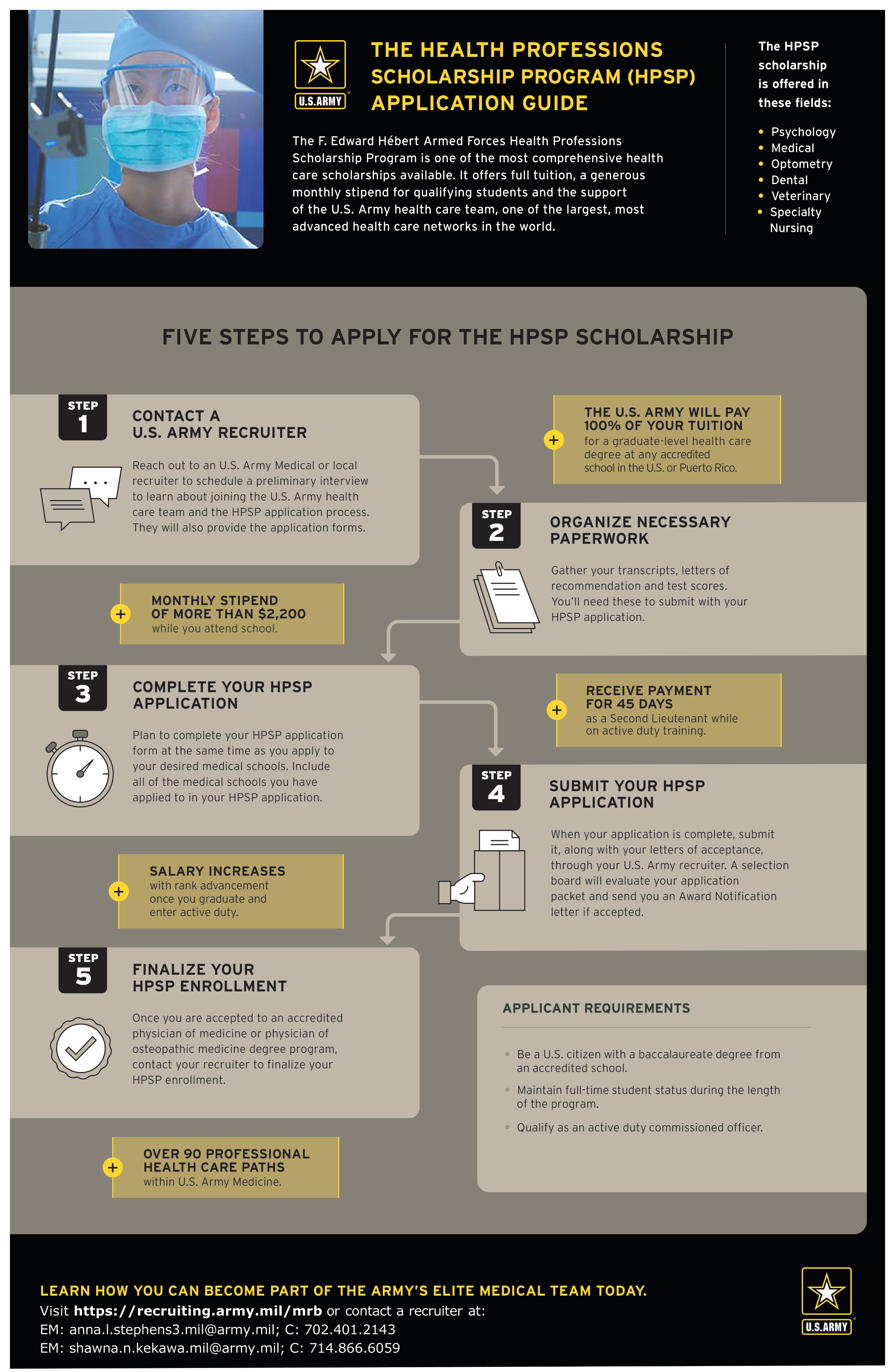
US Army Health Professions Scholarship Program at HPA DropIns HPA
The U.S. Army's Health Professions Scholarship Program (HPSP) is a

PPT Health Professions Scholarship Program (HPSP) PowerPoint
This Guide Will Take You Through What Exactly A Comma Is (So You Can Understand When To Use Them Correctly), When Not To Use A Comma, And Provide You With Some Common.
A Comma Is A Punctuation Mark (,) Used To Indicate A Pause Between Different Parts Of A Sentence.
When To Use A Comma (,) | Guide, Rules & Examples Commas Are Used To Split Up Different Parts Of A Sentence, And When Used Correctly They Bring Clarity And Flow To Your Writing.
Related Post:


